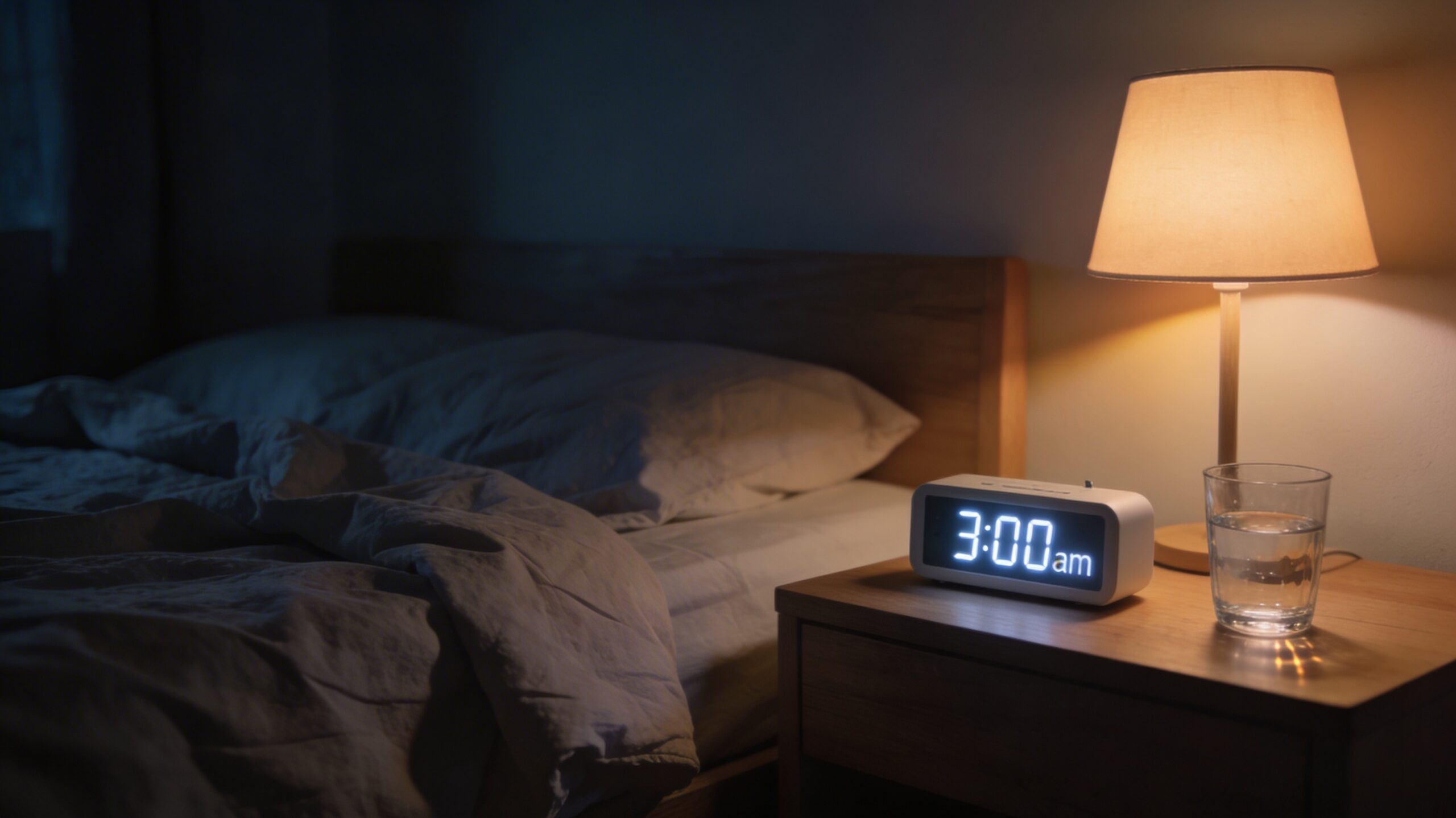
If you live in Blackpool or on the Fylde Coast and struggle with sleep, you probably know the pattern well. You go to bed tired, lie down, and suddenly your mind wakes up. Thoughts race, you replay conversations from the day, plan tomorrow in minute detail, or worry about things you cannot change at 1am. Sometimes you drop off and then wake at three or four in the morning, wide awake and wired.
Over time, bedtime itself can start to feel like something you dread. You might find yourself scrolling on your phone to avoid trying to sleep, or clock‑watching through the early hours knowing the alarm is getting closer. This article looks at how I approach sleep hypnotherapy in Blackpool, how I differentiate between anxiety‑driven sleep problems and more habit‑based patterns, and what a first one‑to‑one, sleep‑focused session usually involves.
When sleep becomes something you worry about instead of drift into
The first thing we do in a sleep hypnotherapy session is talk about what your nights are actually like. Trouble sleeping is not one single problem. For some people it is getting off to sleep. For others it is early waking at three or four in the morning. Some wake multiple times and find it hard to settle again. We also look at how long this has been going on and what you have already tried.
A key part of our conversation is teasing apart anxiety and habit. If your mind is full of racing thoughts, “what if” scenarios or physical tension, then anxiety is likely playing a big role. If you fall asleep fine at weekends but not before a particular workday, that tells us something. If you wake up at the same time every night and your mind snaps on even when you were not especially stressed that day, there may also be body clock and habit patterns involved. Usually, both are in the mix.
Many people who come to see me have developed a “trance of dread” around bedtime. The bed, the time on the clock and even the feeling of getting ready for sleep have become signals for the nervous system to brace for another bad night. Understanding this is important, because it means your difficulty sleeping is not a failure of willpower. It is your nervous system doing something it has learned very thoroughly.
How hypnotherapy fits into sleep difficulties
Sleep hypnotherapy is not about forcing you to sleep on command. It is about teaching your nervous system that it has more options than “wired and alert” or “utterly exhausted”. In Ericksonian, indirect work we often help people access states of focused calm where the mind can drift, the body can soften, and old alarm patterns can loosen.
For anxiety‑driven insomnia, we might focus on giving your mind a different job at bedtime. Instead of scanning for problems, it can begin to follow slower, more absorbing internal experiences. For habit‑driven waking in the early hours, we might teach your body and mind to treat that wakeful period differently, so it gradually loses its grip.
It is also important to be realistic and safe. If there is a possibility of an underlying medical issue, or if you are on medication that affects sleep, I will always encourage you to speak to your GP alongside any hypnotherapy. The aim is to work with, not instead of, appropriate medical care.
What a first sleep‑focused session looks like
A first session for sleep issues in Blackpool follows a similar structure to my general anxiety work, with some extra attention to your nights. We begin with a clear picture of your sleep pattern over the last few weeks. I may ask about bedtime, wake times, naps, caffeine, alcohol and screen use, but this is not a lecture. It is about understanding your routine and where small changes might actually fit.
We also explore what you fear most about your sleep. For some, it is the impact on work or driving. For others, it is the feeling of “going mad” in the small hours, or the fear that they will never sleep normally again. These beliefs can quietly fuel the cycle, so naming them is important. We then talk through how an Ericksonian trance session can help your body and mind practise something different, without promising instant miracles.
When we move into trance work, you remain fully able to respond, move and speak. You might sit in a comfortable chair and begin by noticing the feeling of your body being supported, the rhythm of your breathing, and the sense of the room around you. You do not have to be perfectly relaxed for this to work. Many people with insomnia are surprised to find that, once the pressure to “get to sleep now” is removed, their body can soften more than they expected.
The trance itself often focuses on:
- helping your body remember what it feels like to move towards sleep in gradual stages,
- easing the mind away from problem‑solving mode into something softer and more imaginal,
- rehearsing a kinder inner response when you notice the clock at 3am, so you do not immediately flood with frustration or panic.
The language is gentle and indirect, using images and metaphors that fit your life, rather than a hard push to “sleep now”.
Giving your nervous system new options at night
Between sessions, we choose one or two small experiments that support what we have done in trance. This might be a short pre‑sleep routine that signals “winding down” to your system, a simple self‑hypnosis or breathing practice, or a different way of responding when you wake in the night. The emphasis is on experiments, not rigid rules.
Over time, the aim is that your nervous system learns some new associations. Bed becomes linked again with rest rather than battle. Waking in the night becomes a cue for gentle, practised responses instead of instant adrenaline. You still have nights that are lighter or heavier, but the sense of dread and helplessness around sleep begins to soften.
If you live in Blackpool or anywhere on the Fylde Coast and recognise these patterns, you are not alone and you are not simply “bad at sleeping”. Your mind and body have been trying very hard to keep you alert and safe. Sleep hypnotherapy gives them a chance to learn that it is also safe to switch off, at least some of the time. If that feels like something you would like to explore, you are welcome to get in touch and ask about a first sleep‑focused session.
If you recognise yourself in this and live in Blackpool or on the Fylde Coast, you can read more about my 1:1 hypnotherapy sessions in Blackpool and the Fylde Coast
Leave a Reply